Welcome to one of Norway's most species-rich bird areas. Along a 70-kilometer long coastline from Randaberg in the north to Ogna in the south, the sea meets a flat, vibrant cultural landscape. Long sandy beaches, wetlands, shallow lakes, and the characteristic cultural landscape make Jæren a central resting place for migratory birds and a favored breeding ground for a generous diversity of avian species. This landscape is very species-rich and an excellent area for birdatching for enthusiasts of all ages.
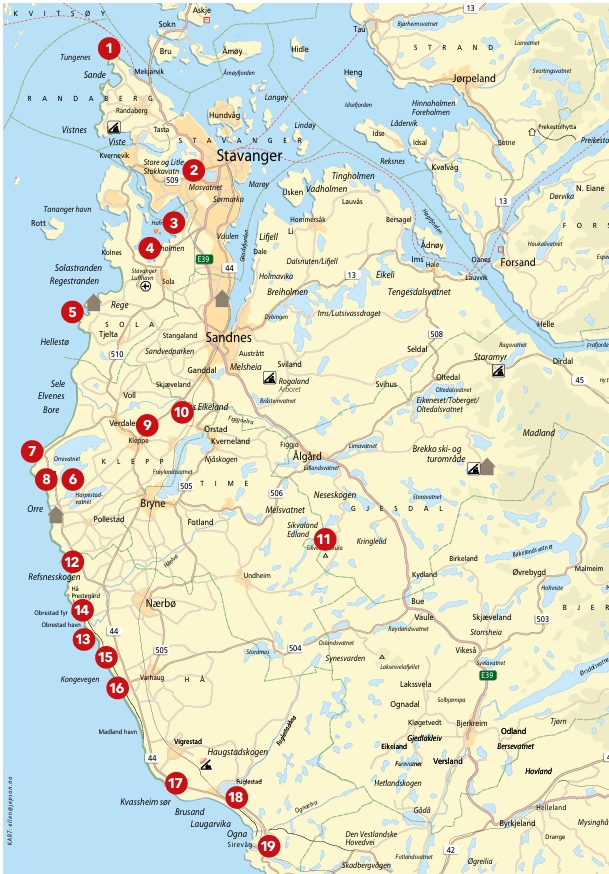
Five municipalities in Jæren – Sola, Randaberg, Klepp, Time, and Hå – invite birdwatchers of all ages to 19 bird localities, all assessed according to sustainable nature management. Many of these localities are nature reserves, bird sanctuaries, and protected landscapes with various conservation regulations. Access is arranged to ensure the birds' tranquility, offering visitors excellent birdsighting experiences without disturbing the bird sanctuaries.
Randaberg
1. Tungenes Lighthouse: The area is located at the outermost tip of North Jæren, right by the sea – and is known for its rich birdlife, including breeding, migratory, and overwintering species.
Stavanger
2. Mostun Nature Center: Located right by Mosvatnet, and is part of the Jæren Wetland Visitor Center.
Sola
3. Grannesvågen: From the parking lot, you can walk along the sea for excellent birdwatching experiences and continue past the marina towards Ytraberget.
4. Sømmevågen: Sømmevågen boasts a rich birdlife with many species. You'll quickly find access to shallow water areas that attract waders and various seabirds, especially at low tide.
5. Ølberg: A beautiful and unique spot on the Jæren coast where you can observe various ducks that thrive at sea, in addition to auks and cormorants.
Klepp
6. Orrevatnet: With its proximity to the coast, this is one of Norway's most species-rich lakes.
7. Reve Harbor: An excellent starting point for studying seabirds all year round.
8. Reveparken: Coastal coniferous forest near Revtangen provides shelter from the wind along the Jæren coast.
9. Vasshus/Grudavatn: A species-rich water body surrounded by a cultural landscape that attracts many birds all year round.
10. Øksnevadtjernet: A sheltered inland location with a birdwatching tower.
Time
11. Taksdalvatnet – Sælandskogen: Here you'll find forest, freshwater, and sheltered surroundings – considered a small "bird eldorado" with nearly 140 registered species.
Hå
12. Refsnes: Refsnes beach is a good starting point, whether you head north or south.
13. Obrestad harbor: The bay by the beach is a popular resting area for seabirds, while the beach area attracts waders, especially during migration season.
14. Hå Old Rectory: An exciting area for seabirds along the coast from Fuglevika and north towards Håtangen.
15. Grødaland: The forest at Grødaland provides shelter from the wind, and here thrushes, doves, finches, tits, and warblers nest.
16. Bodle: At the mouth of a small stream, ducks and waders rest, and gulls, pipits, swallows, and other small birds enjoy it here.
17. Kvassheim Lighthouse: The bay at Kvassheim harbor is an important wintering area for seabirds, and many waders rest during spring and autumn migration.
18. Bjåvatn: A shallow lake with large numbers of overwintering ducks, geese, and swans.
19. Sirevåg harbor: The harbor area is particularly suitable for overwintering birds such as ducks – especially common eiders and long-tailed ducks – as well as loons, auks, grebes, gulls, and cormorants.
Jæren is home to a unique and diverse birdlife. Here you can read a little about some of them:
The Northern Lapwing – Jæren's pride
The Northern Lapwing (Vanellus vanellus) is the very symbol of spring in Jæren, and this hardy wader can arrive in the open fields as early as February. You can easily recognize it by the characteristic long crest on its head, its metallic shimmering back, and its acrobatic aerial displays. It mainly eats earthworms and insects in the farmer's fields.
Although Jæren is considered the lapwing's last stronghold in Norway, the species has experienced a dramatic decline due to intensive agriculture and challenging migration conditions in Europe. It is therefore classified as critically endangered on the Norwegian Red List. Local farmers and Birdlife Norway collaborate closely to mark and avoid nests during spring tillage to save the small families.
White-tailed Eagle – The Mighty Coastal Guardian
The White-tailed Eagle (Haliaetus albicilla) is Norway's largest bird of prey with a gigantic wingspan of up to 2.4 meters. Along the Jæren coast, such as near Obrestad and Kvassheim, you can see it soaring high in the sky, hunting for fish and seabirds. Adults are recognized by their powerful, yellow beak and completely white tail. While the Northern Lapwing migrates south in winter, adult white-tailed eagles remain in their habitat as faithful resident birds year-round.
Two other well-known Jæren birds
- The Oystercatcher – with its bright orange beak, black and white plumage, and loud "bip-bip" call, the Oystercatcher is an unmistakable character along the pebble beaches and sand dunes of Jæren in spring.
- The Skylark – This small, brown bird is famous for its intense, jubilant song high in the air above the Jæren beaches and fields. Like the Northern Lapwing, the Skylark is a vulnerable species strongly linked to the traditional cultural landscape.
Jæren Bird Festival - Norway's largest festival for bird enthusiasts
Jæren Bird festival will take place on September 11th, 12th, and 13th, 2026. With a varied program, there will be activities for all ages in the municipalities of Randaberg, Sola, Klepp, Time, and Hå. This three-day program offers something for every bird enthusiast.
Read about Jæren Bird Festival here (visitsola.no)
You can read more about Birdlife Norway (birdlife.no)
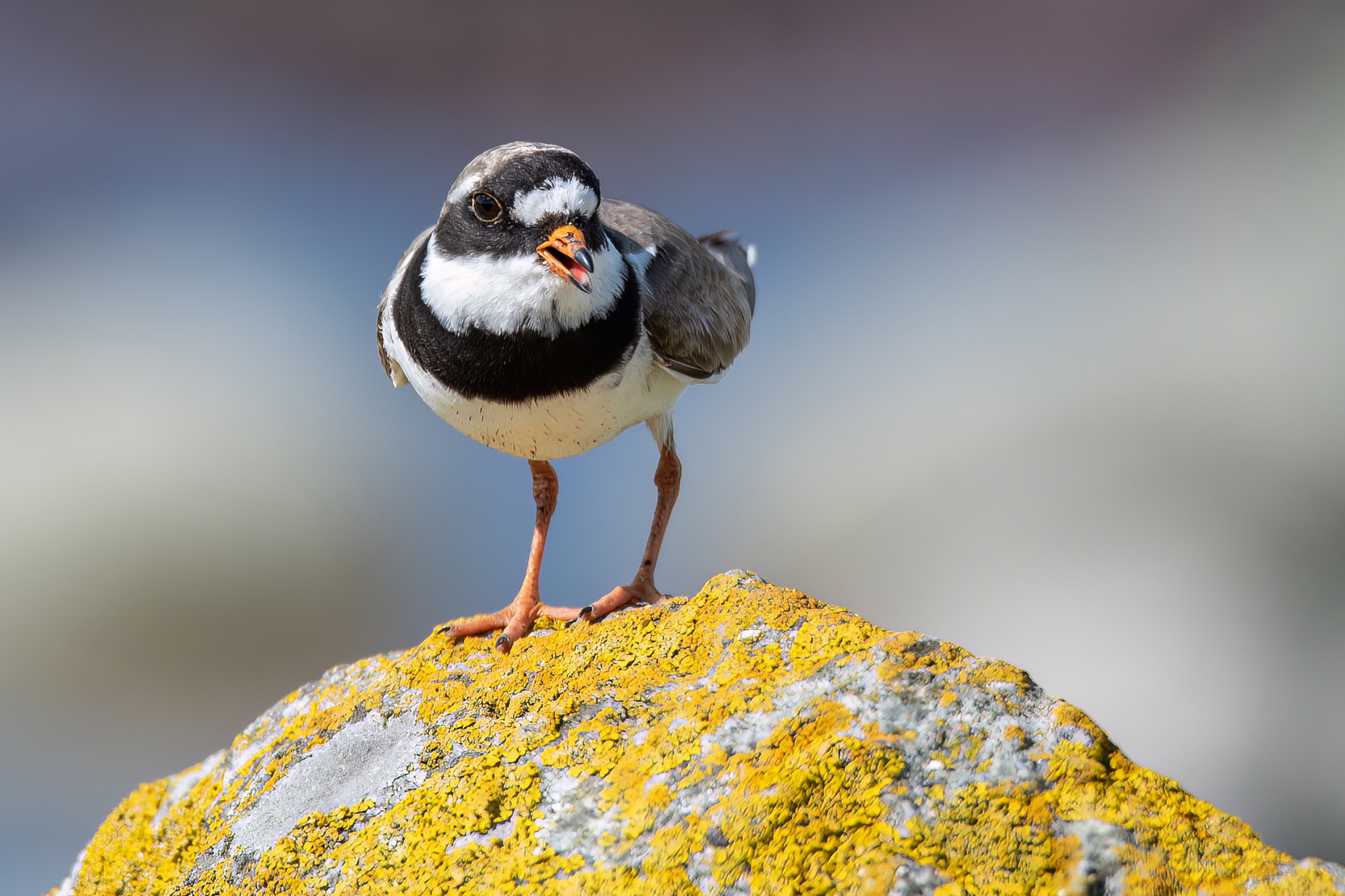
Photo: Sveinung Hobberstad